
You want to make progress writing your book, but it’s hard to find time. And when you have time, you don’t know where to start. Did you know 10 minutes of freewriting can help create momentum and a low-pressure habit of writing?
What Is Freewriting?
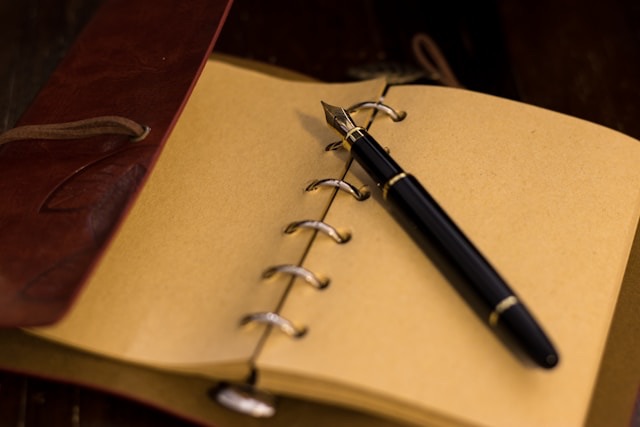
In freewriting, you set a timer for 10 minutes. You can hand write in a journal or type on a screen. For 10 minutes, you just write.
You can use a writing prompt. If you search for writing prompts online, you’ll find many options. Try to keep it simple. Here are some helpful writing prompts.
Or start with a topic related to your book. Don’t think of it as writing your book. Just write freely on a topic inspired by your book. Maybe you will end up including those words in your book later on, but don’t worry about that for now.
For example, let’s say you’re working on a book about running a bail bond business. Related freewriting topics might include “What was the most challenging day in your business?” “What was it like to work with a bounty hunter?” “What kind of job would you do if you weren’t a bail bond agent?”
Don’t approach it by thinking that what you write will go in your book. That defeats the purpose of freewriting, which is a low-pressure writing exercise. But after you freewrite about those topics, you might end up including a snippet in your book—or not! Your freewriting might inspire other ideas for your book—or not.
You might also just start freewriting like this: “I am going to write something now. I don’t know what I will write, but I’m going to spend 10 minutes writing whatever comes to mind.” I took a two-week writing course where each day started with that kind of vague, wandering freewriting. What I wrote was nonsense, but the repeated action helped me get into a more intentional writing habit, after I had gotten away from daily writing for a while.
Freewriting doesn’t involve editing. You don’t stop and correct your grammar or start thinking of ways to say something better. It doesn’t matter if your words make sense, or if they are scattered all over the map. You are giving yourself permission just to write. Keep going for 10 minutes. Don’t stop and think. Don’t filter. Just write.
How Does Freewriting Help?
Freewriting helps you exercise and build your writing muscles. Think of it like athletic drills—but much less painful. Freewriting helps you get used to writing and builds a writing habit. No matter what topics you focus on in your freewriting sessions, you’re making progress toward your book because you are growing as a writer.
Freewriting also clears the cobwebs from your mind so you can focus on your book. When I attended a writing boot camp, we started each morning with freewriting. It helped clear the way for focusing on our book projects later in the day. Our freewriting prompts were complete-the-sentence types, like, “I’m tired today because …” or “I like the weather today because …”

When you spend 10 minutes freewriting, you also teach your mind that writing is part of your life. Your mind realizes, “Oh, okay, we’re going to be writing at least a few minutes every day.” It’s amazing how that mindset shift prepares you for working on your book. You’ll start feeling more focused, more reflective. You’ll think about your book more often and be excited about it.
The deeper you get into your book, don’t be surprised if your book shows up in your freewriting, even if your prompt is unrelated. The more you reflect on your book, the more it slips into your activities.
Just remember, your book is not the immediate objective of freewriting. The objective is simply to write.
So, the next step you take toward writing your book might be 10 minutes of quiet space where you can simply write whatever comes to mind. Give it a few tries. See how it helps. Happy freewriting.
 Janet Eriksson