
Late summer is a time that invites reflection. Summer activities are winding down. Quiet moments linger. Families enjoy visits and reunions before the busy fall season gets underway. It’s a time filled with memories, old and new. As a writer, you’ll find late summer is an ideal time to capture memories before the season shifts into new fall activities.
Your memories might be from summer visits and family stories shared. Or maybe this summer, you’ve uncovered old letters or photos. You don’t need to write formal pages of your book to capture these memories. Just get the highlights while they’re fresh on your mind.
It’s Easier to Capture Fresh Memories
Recent memories are fresh and vivid in your mind. They come with emotions, senses, snippets of dialogue, your own thoughts and impressions.
Even if you’ve spent time reviewing old memories, through photos and letters, your engagement, thoughts, and feelings are new.
Those sensory impressions and details will fade quickly. That’s what you want to capture now. You can sort through, organize, and develop later.
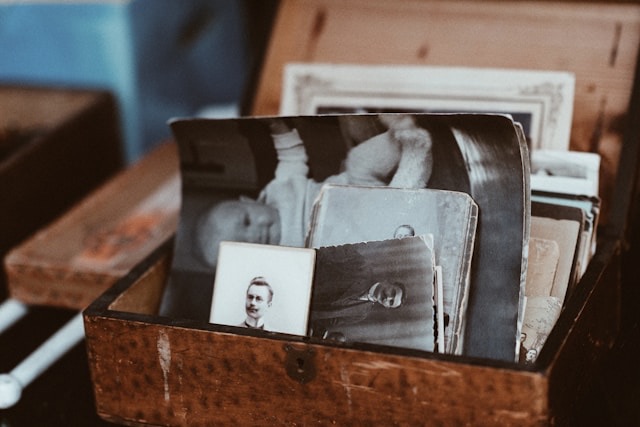
Just capture the moments with all five senses, while you’re still feeling everything. Similar to pressing a flower as a keepsake, you’ll be preserving all the beauty and detail of those memories by capturing them now.
What to Capture
For recent memories, you’ll want to capture with your five senses:
- What did you see? Describe it.
- What snippets of dialogue stand out in your mind?
- Any tastes, aromas, or textures you remember?
- Did you have any physical reactions to what you experienced? How so?
- What was surprising or unexpected?
- What were the small but meaningful gestures or expressions you noticed?
- What thoughts came to mind?
Don’t rule out anything as insignificant at this point. Capture the memories while they’re new. You’ll figure out later what to include in your book or blog.
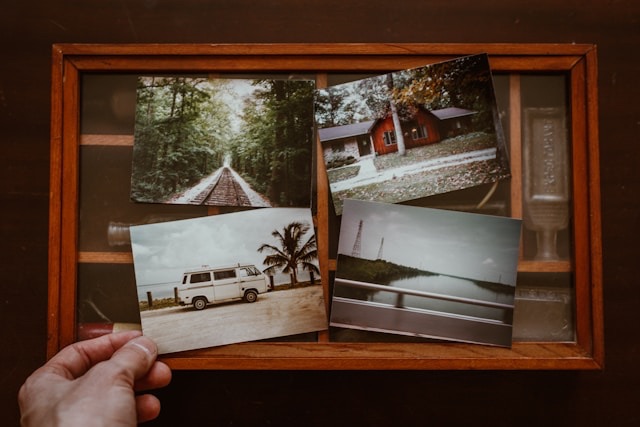
If your memories include looking at old documents or photos:
- What thoughts or questions came up?
- What emotions did you experience?
- Did you see connections between people, places, or events you hadn’t thought about before?
- What do you wish you knew more about? Who can you ask, if anyone? Where can you look to find out more? You don’t have to ask or look right now; just jot down your plans while you’re thinking of those possibilities.
How to Start Capturing Fresh Memories
The simplest way to capture fresh memories is to write or record notes and impressions as they come to you. Don’t try to edit. Don’t worry about any particular order or what those memories will be used for. Just capture them.
The sooner you can jot down your memories, the easier it will be. But if some time has lapsed, don’t worry. It’s not too late. Just capture what you remember. Simply writing things down or looking over photographs and letters will surface more memories and feelings.
If you already have recordings of conversations, those are a great memory capture to hold onto. Listen and write down any additional notes, thoughts, emotions, or questions in snippets as you go along.
If you have photographs of recent memories, do the same—look through them and write any thoughts or feelings that come to mind. The photographs will help jog your memory now, while those recent activities are still fresh.
Don’t try to create the perfect time for capturing memories. You don’t need to carve out a long writing session. Grab the thoughts as they come to you, even if you only have a few free minutes here and there.
Listen to recordings or look through photos a few minutes at a time as you are able. It feels daunting to think about listening to two hours of recordings or looking through 100 photos. But listening for five minutes or looking at five photos and writing any thoughts you want to capture is much more doable.
Remember, you’re not trying to write a full story or chapter. You’re not even trying to write full sentences. Just jot down thoughts, senses, feelings, questions, dialogue, descriptons that will help you later with your writing. You’ll be amazed at how smoothly your writing will flow later because of the details you are capturing now.
Cozy moments can create the perfect atmosphere for remembering. Pour a cup of tea, sit outside in nature, watch a sunset, and jot down the memories that come to you. Those reflective times can help you get in touch with your experiences and feelings on a deeper level.
Next Steps for Your Memories
As you start jotting down your memories, keep them organized in a file, so they’re easy to come back to, with everything in one place. You can write your memory notes on one document, with headings for easy skimming later. Or create separate documents for different topics. Do whatever you think will be easier for you to navigate. But keep them all in one main file with the name of your project.
It may help to create sub-files by theme, person, location, era. You might put a copy of the same document in multiple sub-files. Or you might decide it’s easier to organize everything by one theme: by person’s name or by location.
You can also put category labels on each memory to include multiple categories. For example, if you have a document that contains memory descriptions regarding your mom, your aunt, a particular city, and a particular era, write category labels at the top of that document: mom, aunt’s name, city name, which decade or years.
If you’ve chosen to keep all your memories in one document, you can put category labels under each heading to help identify the material in that section. This article can help you further with organizing your notes.
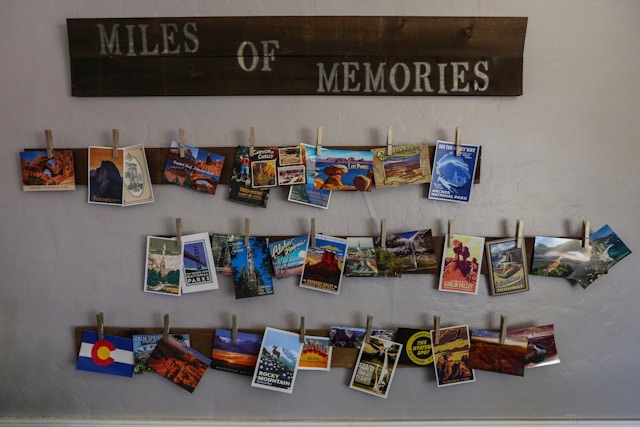
When the time comes to start outlining your book or developing your blog posts, these notes will help you write your scenes and fill in sensory details. Even if some notes don’t become part of a story, capturing them strengthens your writing muscles and inspires your creativity.
Capturing memories is part of storytelling. You’re already making progress on your story just by writing down your memories. Even the smallest moments of remembering will move you closer to your book or blog. A memoir or family history is created from these very moments you are preserving.
Today, take five minutes to write down a memory, whether from a recent moment or sparked by looking through old photos or letters. Just capture the details and feelings while they are fresh. That’s a wonderful next step toward your writing project.
 Janet Eriksson