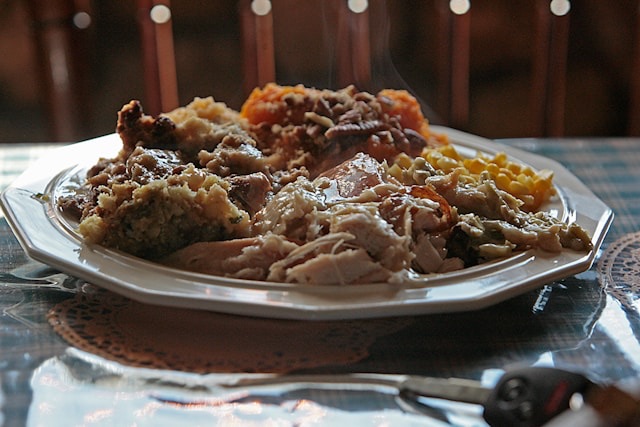
Picture a Thanksgiving table—a beautiful blend of colorful dishes, familiar recipes, appetizing aromas. Each dish adds to the beauty of the table and offers a variety of ways to enjoy the meal.
Writing a book creates a similar experience. As the writer, you bring a variety of stories, examples, dialogue, explanations, and memories to your book. That richness creates a wonderful feast for your reader to enjoy.
A Book Is Created Like an Enjoyable Meal
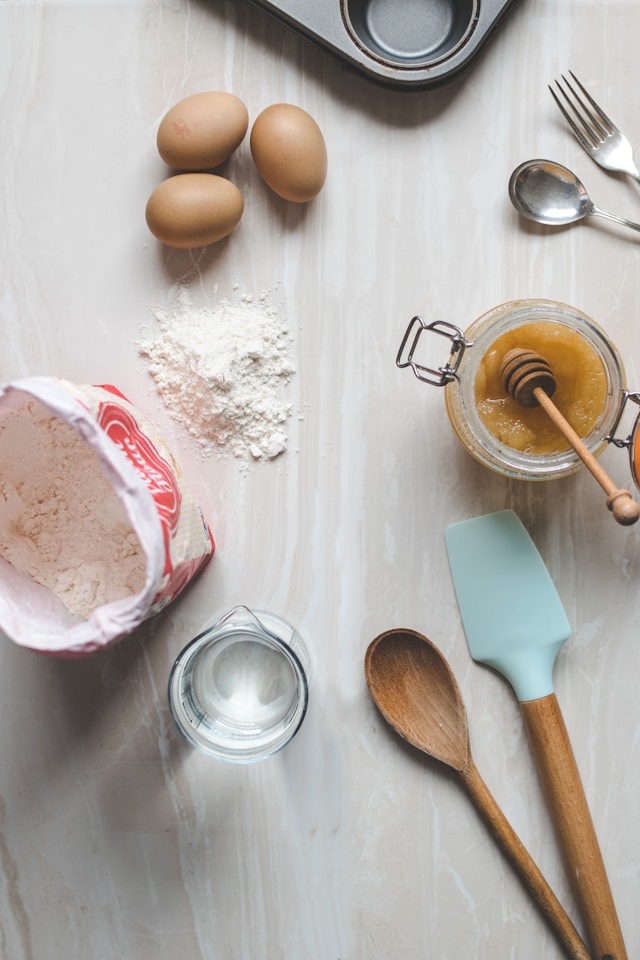
Writers sometimes feel like they should write their book from beginning to end in one big process. Actually, writing a book is more like gathering items for a dinner:
- Recipes—ideas you want to share.
- Ingredients—stories or examples.
- Flavoring—themes and connecting threads.
Each story or section of your book contributes to the overall feast, just like each dish contributes to the joy of a Thanksgiving meal.
What’s at Your Table?
It might help to think about your book this way:
- Entree—the main message or storyline in your book.
- Side Dishes—examples, memories, supporting stories that add variety and texture to the meal.
- Dessert—those heartwarming side stories or tidbits of encouragement that really stick with your reader long after they finish your book.
- Seasonings—your unique voice, style, and perspective.
- Appetizers—book description, pull-out quotes, and other tidbits that draw readers in.
Gathering Takes Time
When you approach a Thanksgiving table at dinner time, it might seem that the meal has come together quickly. But you know what it really takes to get all those dishes ready and assembled.
It’s the same with writing a book. It takes time. You move it forward by bringing one piece at a time to the table. You jot down ideas, outline, sketch out scenes or sections, and save them in one place. Later on, you’ll decide how they fit together.
Those pieces often come together in a way similar to a Thanksgiving table: you gather the pieces, see what you’ve got, and see how they fit together to weave a beautiful book.

Small Is Meaningful
Even the smallest memories or examples contribute something valuable to your book—just like that gravy boat, pats of butter, and bucket of ice cubes at Thanksgiving.
On slow days when you write just a tidbit, remember that small piece plays a vital role in your book. I sure value that gravy, butter, and ice at Thanksgiving—they make the meal feel richer and more satisfying. As a reader, I’ll value those small insights that help your book connect with me in a deeper way. It’s blending every part together that makes your book come alive.
As you work on your book, remember you don’t have to prepare the whole meal at once. Enjoy crafting and assembling each part. Your reader will be blessed by the variety of textures and depth of care that went into creating your book—one small ingredient at a time.
 Janet Eriksson