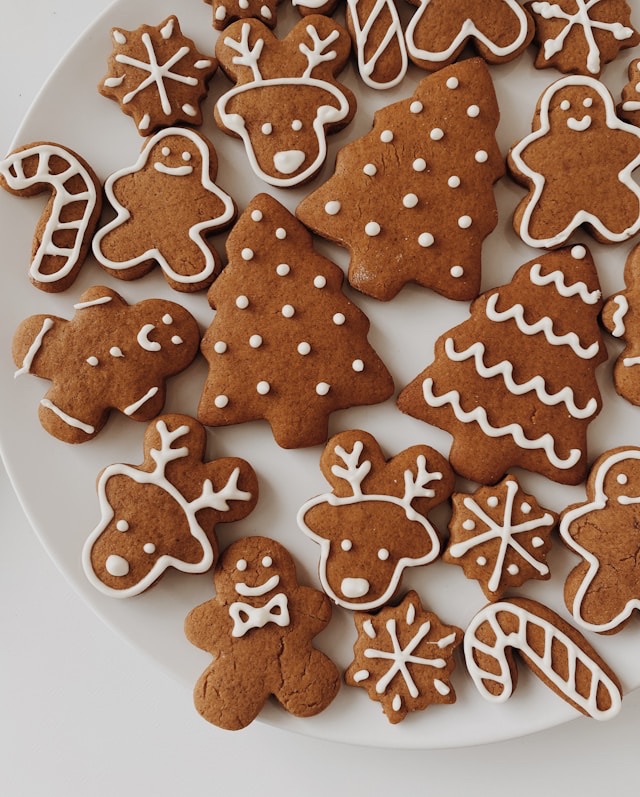
As Christmas approaches, I’ve been remembering the cookies my grandma and great aunts used to make. I’ve also been cleaning out my kitchen as part of a puppy-proofing purge. In the back of a cupboard, I found a wonderful surprise: a printout of some of my grandma’s and great aunts’ recipes, including the Christmas cookies.
Now, I’m not exactly a baker, so it’s unlikely I’ll try to make the cookies. Although we never know when inspiration can strike. However, as a writer, I am very excited to include the cookie recipe on my family history blog. That prompted me to reflect on different ways we can use favorite family recipes in any kind of writing project.
If you’re writing a family history, memoir, or life story essay collection, a family recipe is a great addition. You can include the recipe itself, the story behind it, if known, and any memories associated with it. Future generations will enjoy that connection with their family heritage. Readers outside your family will enjoy the recipe and related stories. It might spark them to dig up an old family recipe of their own—or it may be similar to the long-lost recipe they wish they could find.
Recipes are also popular if you’re writing fiction. If a character makes a recipe in the story, readers love to see that recipe shared at the end of the book, including why that recipe is meaningful to you, the author.
A recipe can illustrate a topic or lesson in any nonfiction book, like a business or motivational book. A recipe is a tangible way for a reader to dig into and remember that lesson. They might even enjoy making the recipe. Imagine that dish ending up on the office conference table when someone teaches their colleagues from your book. Memorable, for sure.
If you want an extra creative challenge, you can turn your recipe into journal prompts or puzzles for your reader. A recipe can inspire a devotional or a poem. No limit to the creative ways to weave a recipe into your book.
You can even post the recipe with a story on your blog. If you refer to a recipe in your book, readers are often interested in following up for more recipe details, stories, and photos on your blog. When new visitors discover the recipe on your blog, they might want to read your book. If you prepare the recipe, add a photo. If you have an old family photo of the prepared dish, add that too.
Invite your readers to comment on their experiences and adaptations in making the recipe. It’s always interesting when readers share that their family has a similar recipe. Your blog post may spark those memories for them.
If you’ve thought of a recipe you’d like to include in your book and/or blog, but you’re not sure yet how to weave it in, that’s okay. Start by turning the recipe into a writing prompt for yourself.
Write whatever comes to mind when you look over the recipe. Capture snippets of memories and thoughts. Make a bullet-point list of ideas. You don’t have to know your direction at the start. Just begin with your reflections on the recipe and see where it leads. Don’t be surprised if writing about the recipe prompts even more topics for your book.
If you can’t find the original recipe, you can probably find one that’s similar enough to describe in your book. You can write the recipe yourself by getting hints and inspiration from other recipes. People experienced at cooking and baking can turn even the most rudimentary recipe into something they can use in the kitchen.
Or if you find the perfect recipe online, you can link to it from your blog or book. The author might even give you permission to reproduce it with appropriate attributes. It doesn’t hurt to ask.

If you like the idea of mentioning an old family recipe in your book, but you don’t have a specific recipe in mind, take some time to remember special family events and traditions. Look at old photos of dinners and gatherings. Let those prompts lead your memory to the perfect recipe—and possibly to other topics for your book.
Enjoy the memories—and the recipe, if you choose to prepare it. Christmas blessings to you.
 Janet Eriksson