
When you’re writing a book, you always want to keep your ideal reader in mind, from first draft to self-editing phase. But the focus on the reader is slightly different between those two stages, and you need both.
As you write your first draft, you are sharing your heart with your reader, as if sitting across from them and having a conversation.
After you finish writing your first draft, you’ll enter the self-editing phase. That’s where you will focus on the reader’s journey and experience, guiding them through your book.
A highway travel analogy may be helpful.
As you write your first draft, you’re creating scenic overlooks for your reader to visit. Depending on the type of book, those are the scenes of your story, the lessons of your teaching, the wisdom you are sharing. You write those scenic overlooks from the heart with your reader in mind, considering the stories and info you want to share with them.
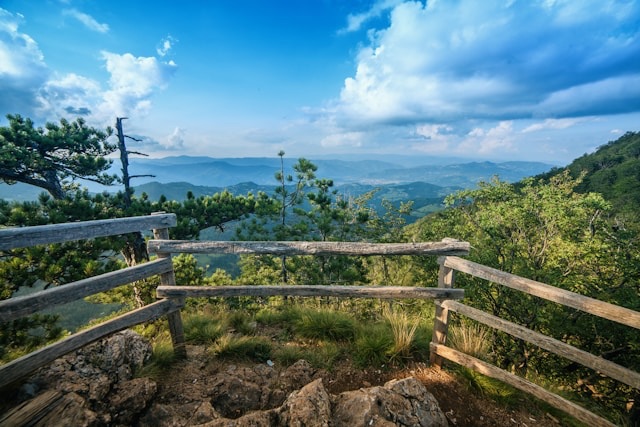
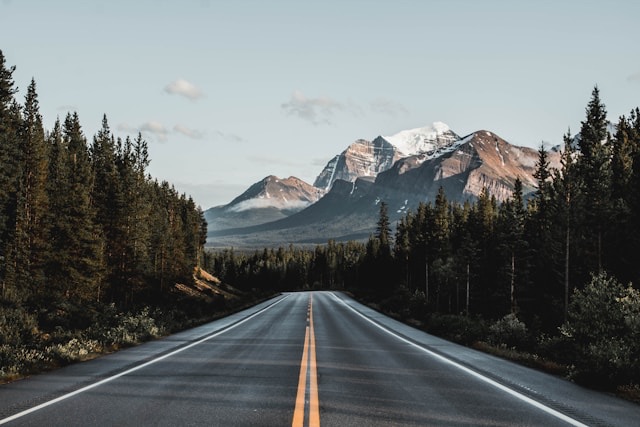
When you reach the self-editing phase, you’ll build the highway that helps your reader take their journey through your book and visit those scenic overlooks.
Each chapter, along with your book as a whole, will need on-ramps and off-ramps, setting the reader up for what they will experience and wrapping up their experience.
You’ll also need signposts to help your reader navigate and appreciate those scenic overlooks. Signposts include transitional sentences, anticipating and answering reader questions, and making sure to briefly explain concepts you take for granted but might be new for your reader.
Setting up that highway is your first step of self-editing. You can think of this as structural or developmental editing, where the focus is helping the reader navigate and have the best experience.
Later, when the reader highway is in place, you will do line editing, zeroing in on word choice and sentence style and flow. This comes after the structural editing because there’s no point in focusing on word choice and style when you’re still moving things around. You need to build the highway before you prune the trees.
When writers reach the self-editing phase, they’re often tempted to erase sections of their first draft because those sections don’t seem to flow. Please resist that temptation. Those are your scenic overlooks, your carefully crafted gems for your reader. Those scenic overlooks represent your heart and voice.
Instead, focus on helping the reader navigate those scenic overlooks. When a section of your book doesn’t seem to gel, it’s often not the scenic overlook that is the problem. It’s often just missing a signpost or an on-ramp. Try adding those transitions before you hit delete. Preserve those scenic overlooks.
Eventually, you might decide a paragraph or even a section doesn’t belong. That’s okay. Experienced writers will tell you how lots of beautifully written paragraphs have ended up in the recycle bin over the years. But don’t make that decision on your first self-editing pass. Build your reader highway first before you decide whether or not to remove or rewrite a scenic overlook. Preserve your heart and your voice for the reader.
If you’re currently in the writing phase of your book project, keep having those conversations with your ideal reader, and keep creating those scenic overlooks.
If you’re beginning the self-editing phase, put yourself in your reader’s shoes and see what they need to navigate their journey. Build that highway for them without erasing your heart and voice. Then go back and prune the trees to give them a smooth, engaging journey.

